





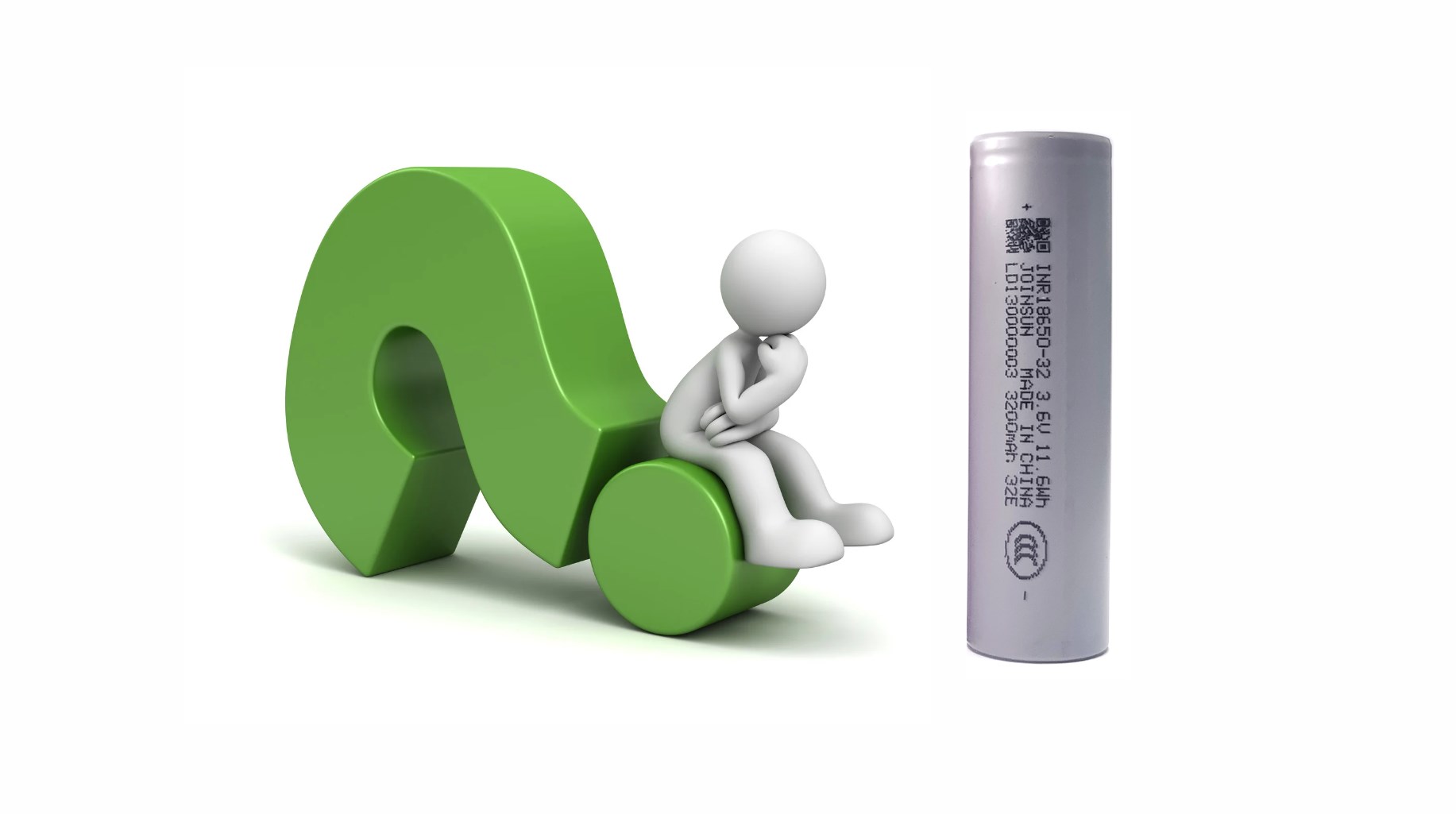
What Are the Disadvantages of 18650 Lithium-Ion Batteries? The 18650 lithium-ion battery is widely used due to its high energy density and rechargeable performance, but it has notable drawbacks including safety hazards like overheating, capacity degradation after 300-500 charge cycles, fixed size limitations, and environmental disposal issues. Advances such as Redway Battery’s integrated management systems help mitigate these concerns.

What are the main safety risks of 18650 lithium-ion batteries?
18650 batteries pose significant safety risks including short circuits, overheating, and in extreme cases, thermal runaway that can lead to fires or explosions. These risks arise mainly from overcharging, poor-quality cells, or damage to the battery casing. High-quality products like Redway Battery feature safety circuits and advanced protections to reduce these hazards.
How does capacity degradation affect the lifespan of 18650 batteries?
Over time and repeated use, 18650 batteries experience capacity loss—typically after 300 to 500 full charge cycles, capacity reduces to approximately 70%-80% of original. This degradation is accelerated by high temperature, deep discharge, and high current loads. Redway Battery’s lithium cells are designed to maximize cycle life within practical usage.
Estimated capacity retention vs. cycles:
| Cycle Range | Approximate Capacity Retention |
|---|---|
| 0–300 cycles | ~80% |
| 300–500 cycles | ~70% |
| Over 500 cycles | <60% |
Why is the fixed size and shape of 18650 batteries a limitation?
The cylindrical 18mm x 65mm form factor is fixed, limiting design flexibility. Devices that require specialized battery sizes or flat profiles must use packaging solutions to accommodate 18650 cells, adding complexity and bulk. This rigidity contrasts with customizable pouch or prismatic cells seen in newer lithium technologies.
What manufacturing and cost challenges do 18650 batteries face?
Producing 18650 cells requires stringent quality control and complex processes, increasing costs compared to other battery types, such as alkaline or lead-acid. The need for protective circuits raises manufacturing expenses. These contribute to higher upfront costs for consumers, though the longer life can offset cost over time.

How does temperature sensitivity impact 18650 battery performance?
Extreme temperatures affect discharge efficiency and safety. Cold environments decrease usable capacity, while excessive heat raises self-discharge and risks thermal events. Redway Battery’s engineering incorporates temperature management and robust materials to maintain performance across broad climates.
How do charging time and convenience influence 18650 battery use?
Charging 18650 cells can be slow at typical 0.5 to 1A rates, requiring 3-6 hours per cell, especially if individually charged. Convenience is hindered by the need to track multiple cells, chargers, and circuitry. Prepackaged power banks can simplify this but reduce flexibility. Redway Battery offers solutions integrating charging efficiency and safety.
What environmental concerns arise from 18650 battery disposal?
Improper disposal threatens environmental contamination due to toxic lithium and cobalt components. Recycling infrastructure remains limited globally. Responsible disposal and recycling programs reduce pollution, but broader adoption is necessary. Redway Battery actively promotes eco-friendly recycling to mitigate this challenge.
Why is battery quality inconsistent across 18650 manufacturers?
The marketplace is filled with various brands differing widely in components, safety standards, and longevity. Counterfeit or low-grade cells carry greater risks of failure or hazards. Choosing trusted manufacturers like Redway Battery ensures adherence to rigorous quality and safety protocols.
How can users mitigate the safety and performance issues of 18650 batteries?
Users should avoid overcharging, prevent physical damage, use compatible chargers, and store batteries properly. Employing Battery Management Systems (BMS) such as those integrated in Redway Battery products adds automated monitoring to prevent common failure modes.
What are the best alternatives to 18650 batteries in modern applications?
Alternatives include larger format lithium-ion cells like 21700, pouch cells, or LiFePO4 batteries with improved safety, higher capacity, and customizable shapes. Redway Battery provides advanced lithium solutions embracing these newer formats to meet diverse power needs.
How does Battery Management System technology enhance 18650 battery safety?
BMS technology continuously monitors voltage, current, and temperature, preventing conditions that lead to overheating or overcharge. It enhances lifespan and safety by maintaining optimal operating parameters. Redway Battery integrates industry-leading BMS for superior reliability.
(Chart: Comparison of 18650 battery vs alternatives on capacity, safety, and flexibility)
| Feature | 18650 Battery | 21700 Battery | LiFePO4 Battery |
|---|---|---|---|
| Typical Capacity (mAh) | 2200–3500 | 4000–5000 | 2000–3000 |
| Safety | Moderate, needs BMS | Improved | Very High |
| Form Factor | Fixed Cylindrical | Larger Cylindrical | Flexible Prismatic/Flat |
| Cycle Life | 300–500 cycles | 400–600 cycles | 2000+ cycles |
Redway Battery Expert Views
“In the fast-evolving battery landscape, understanding 18650 batteries’ limitations is vital. At Redway Battery, we focus on engineering advanced lithium solutions that optimize safety, capacity, and lifecycle. Our integrated Battery Management Systems mitigate common risks of 18650 cells, while our innovations explore alternative formats to better serve modern energy demands. We are committed to powering a safer, more sustainable future.” — Redway Battery Senior Engineer
Conclusion
While 18650 lithium-ion batteries remain prevalent for their energy density and rechargeability, they exhibit critical disadvantages such as limited cycle life, safety risks, fixed form factor, and environmental concerns. Awareness and mitigation strategies, coupled with advanced technologies from manufacturers like Redway Battery, significantly improve performance and safety. Evaluating alternatives like 21700 or LiFePO4 cells can offer further benefits for specific applications.
FAQs
Are 18650 lithium-ion batteries safe to use?
When properly used with quality cells and Battery Management Systems, 18650 batteries are generally safe, though risks of overheating exist.
How long does a typical 18650 battery last?
They generally maintain 70%-80% capacity after 300 to 500 full charge cycles.
Can 18650 batteries be recycled?
Yes, but recycling facilities are limited, and responsible disposal is necessary to minimize environmental impact.
What alternatives offer better safety than 18650 batteries?
21700 lithium cells and LiFePO4 batteries provide enhanced safety, longer life, and flexible form factors.
Why choose Redway Battery products for lithium-ion power?
Redway Battery delivers advanced safety, high-quality cells, integrated management systems, and global support for reliable, innovative energy solutions.
What is the problem with the 18650 battery?
The main problems with 18650 batteries include risks of internal short circuits, overheating, and thermal runaway, which can cause fires or explosions if improperly handled, damaged, or charged with incompatible equipment. Low-quality or counterfeit cells increase these safety hazards significantly. Proper use with protection circuits and good quality controls are essential.
What is the negative side of an 18650 battery?
Disadvantages of 18650 batteries include safety risks such as fires and explosions from short circuits or overcharging, limited shape options, a relatively high cost, self-discharge over time, and a limited lifespan of about 300-500 charge cycles under heavy use.
What is the major disadvantage of a Li-ion battery?
The major disadvantage of Li-ion batteries is their sensitivity to overcharging, overheating, and physical damage, which can cause thermal runaway leading to fires or explosions. They also have a limited cycle life and require careful handling, proper charging, and disposal to ensure safety and longevity.
What is the life expectancy of a 18650 battery?
The typical life expectancy of an 18650 battery is between 300 to 500 full charge-discharge cycles under heavy use. Proper charging, avoiding deep discharge, and careful handling can prolong battery life. Over time, capacity degrades, reducing runtime.

